5 Small Towns in South Carolina Worth Considering for a Move
Introduction: Why Small-Town South Carolina Stands Out
Small towns in South Carolina combine practical advantages—often gentler housing costs, lighter traffic, and tight-knit neighborhoods—with landscapes that range from tidal marshes to blue-tinged foothills. For many movers, the equation is simple: spend less time commuting and more time connecting, whether that means porch talks at dusk or weekend paddles on a quiet river. The towns below balance amenities with character. You’ll find historic streets that haven’t lost their soul, newer neighborhoods designed for easy living, and local businesses that turn errands into conversations.
Before you compare mortgage calculators, consider the day-to-day feel: Are sidewalks lively at sunset? Can you hear church bells or cicadas from your backyard? Do parks, libraries, and clinics sit within a short drive? The right match often has less to do with square footage and more to do with rhythm—how morning light filters through live oaks, how neighbors wave from bicycles, how Saturday markets become a standing date.
Outline
This article first identifies how we assessed livability, then explores five towns, each with a distinct setting and pace.
- What we weighed: housing affordability and trends; access to jobs and commuting corridors; school options; healthcare access; outdoor recreation; hazard exposure (flood, hurricane, heat); internet speeds and remote-work viability; and cultural amenities.
- Towns covered: Beaufort (Lowcountry); Aiken (horse country); Travelers Rest (Upstate foothills); Georgetown (historic waterfront); Camden (Midlands heritage).
Beaufort: Lowcountry Calm with Waterfront Character
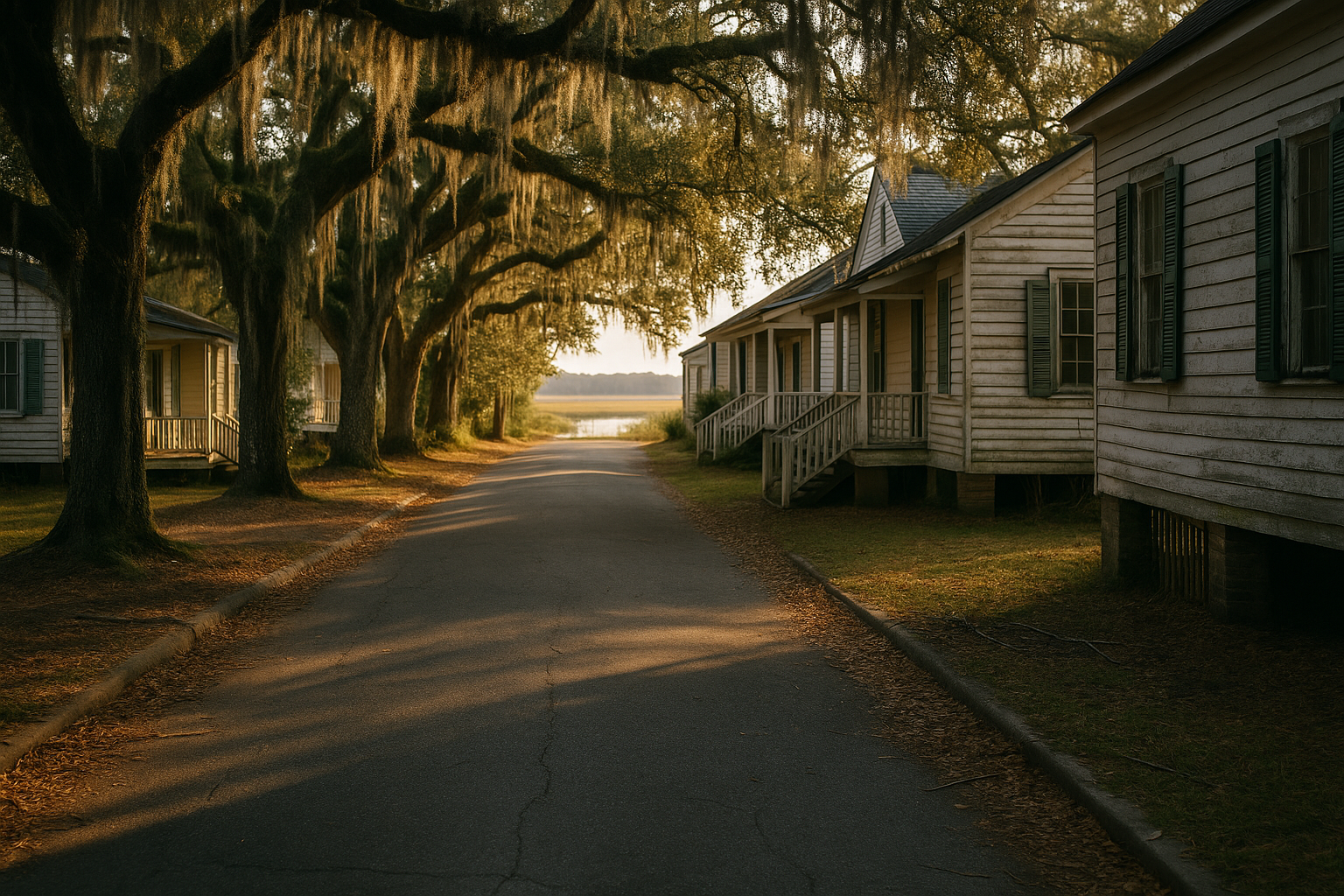
Beaufort offers a quintessential Lowcountry setting: tidal rivers winding past live oaks, historic cottages with deep porches, and a walkable downtown that hums at a human scale. Its population sits in small-town territory, yet the amenities feel generous for the size. If you love coastal scenery but want to avoid the grind of dense beach districts, this community often hits the sweet spot. The climate trends mild in winter and warm to hot in summer, with sea breezes taking the edge off many afternoons.
Housing spans renovated historic homes, mid-century ranches, and newer neighborhoods tucked off oak-lined drives. Prices can vary sharply by proximity to water; inland addresses and homes outside historic districts tend to offer comparatively approachable entry points, while waterfront properties reflect strong demand. Many buyers run a simple checklist before making an offer:
- Flood maps and elevation, plus the likely need for additional insurance;
- Commute routes to regional job hubs;
- Utility costs in summer months and the presence of shade trees or modern insulation.
On weekdays, residents commute to healthcare facilities, schools, service-sector roles, and small professional offices, with some remote workers anchored by fiber or cable connections in newer subdivisions. On weekends, life tilts outdoors. Kayaks slip into creeks at dawn, anglers set out on the tide, and families head to nearby beaches and state parks for shells and salt air. The local events calendar favors the arts, food, and maritime traditions, which keeps evenings lively without overwhelming the town’s scale.
Who tends to thrive here? People who want water within reach, value a visual sense of history, and prefer walkable blocks for errands and coffee. Retirees appreciate single-level homes and healthcare access; families value parks and community programs; creatives find inspiration in morning fog over the marsh. Tradeoffs are real: summer humidity, storm preparedness, and the premium that waterfront views command. Yet for many, the daily payoffs—briny breezes, neighbors who remember your dog’s name, and sunset walks along the bluff—are hard to price.
Aiken: Tree-Lined Streets and Equestrian Heritage
Aiken blends graceful avenues, a notable equestrian culture, and an easygoing downtown where errands can be done on foot. The urban forest is not just scenic; it moderates heat, making evening strolls a pleasure for much of the year. Winters are typically gentle, springs arrive early, and fall lingers, drawing out porch season. Despite steady popularity, the town maintains a measured pace that appeals to those stepping back from high-intensity metros without surrendering cultural life.
Housing choices range from historic cottages near the core to contemporary homes on larger lots at the edge of town. Compared with major metros in the Southeast, price points often feel approachable, with the caveat that properties near riding facilities or within especially desirable tree-lined districts can command a premium. Thoughtful buyers often evaluate:
- Commute time to regional employment centers and medical facilities;
- Lot size and tree coverage for shade and privacy;
- Trails, parks, and access to expansive urban woodlands for walking or riding.
Workwise, the economy spans healthcare, education, light industry, and public sector roles. Remote workers often highlight two assets: relatively stable utility costs and neighborhood-level internet that supports video calls without fuss. Meanwhile, the town’s calendar fills with markets, gallery nights, and seasonal events tied to its riding tradition. Even if horses aren’t your hobby, the green buffers and bridle paths create a relaxed backdrop that benefits everyone.
Families appreciate the network of playgrounds and sports fields; retirees note clinic availability and the ease of single-story living; professionals prize a reasonable commute paired with quiet evenings. Compared with coastal areas, insurance costs tied to wind and water risks are typically less intense, and summer humidity tends to be more tolerable under the canopy. Tradeoffs include the need to understand local event traffic around equestrian gatherings and the reality that specialized dining or nightlife may require a short drive to neighboring communities. For many, Aiken threads an appealing needle: small-town sociability with year-round green space and room to roam.
Travelers Rest: Foothill Gateway with Trailside Energy
Set at the edge of the Upstate foothills, Travelers Rest lives up to its name: a place where morning mist slides off blue ridges and evenings gather on patios after a day of hiking or cycling. Its main streets have been steadily revitalized, offering cafes, outfitters, and eateries that stay busy without tipping into bustle. A popular rail-trail connects the town to a larger city down the road, which keeps activity flowing past storefronts and gives commuters a car-light option for exercise and errands.
Housing mirrors the area’s growth: restored mill homes and ranches mingle with new construction tucked off rolling lanes. Compared with the nearby metro, entry prices have historically been friendlier, though demand has pushed values upward. Renters find small complexes and cottage-style options; buyers often weigh whether to live near the bustling core or trade a slightly longer drive for mountain views. Smart shoppers typically consider:
- Slope, drainage, and driveway access on hilly lots;
- Broadband options for home offices;
- Proximity to the trail for car-light living—and the foot traffic that may come with it.
Weekends here tend to involve switchbacks and overlooks: trailheads lie within short drives, lakes welcome paddlers, and farm stands dot the countryside. Families value both playgrounds and the chance to introduce kids to trail etiquette; retirees relish mild winters and spring wildflowers; remote workers split days between laptop time and lunch-hour rides. The climate brings four seasons, with warm summers that feel less oppressive than the coast and shoulder seasons that invite constant outdoor time.
Tradeoffs reflect the town’s success. Traffic can tighten at peak times on the main corridor, and popular brunch hours fill sidewalks. Inventory moves quickly in desirable pockets, and some buyers expand searches to adjacent neighborhoods for value. Still, the daily equation remains compelling: foothill scenery, community events that spill into the street, and a sense that weekday life and weekend adventure share the same map.
Georgetown: Historic Waterfront Between Rivers and Sea
Georgetown sits where rivers meet salt air, a historic port town with weathered docks, brick lanes, and porches that seem made for storytelling. Its waterfront is active yet unhurried, more about shrimp boats easing along the tide and herons working the shallows than about crowds. The setting delivers a distinct daily rhythm: mornings on the boardwalk, afternoons exploring cypress-lined waterways, and evenings when the sky turns peach over the marsh.
Housing includes restored historic homes, compact cottages, and modest newer builds tucked off quiet streets. Relative to high-profile beach markets, prices often feel attainable, though homes with deep-water access or panoramic views reflect their scarcity. Thoughtful due diligence is essential on the coast. Buyers commonly review:
- Flood zones, elevation certificates, and insurance implications;
- Roof, windows, and anchoring details for storm resilience;
- Drainage around driveways and under-home ventilation on raised structures.
The job base leans on small businesses, maritime services, healthcare, education, and hospitality. Some residents commute to larger coastal cities in either direction, taking advantage of access to regional corridors while enjoying a quieter home base. Remote professionals often cite the appeal of working within earshot of gulls and clanking halyards, then stepping out at lunch to watch tides turn.
Culture here is layered: museums and walking tours unpack centuries of local history, festivals celebrate foodways and music, and markets showcase regional crafts. Outdoor choices are abundant, from blackwater paddles to salt-marsh fishing. The climate brings warm summers, shoulder seasons that encourage porch dinners, and winters that rarely bite hard. On the tradeoff side, storm readiness is part of the lifestyle, and some services may cluster in nearby hubs rather than on your block. For those who crave a lived-in waterfront with soul, Georgetown offers authenticity that reads clearly in its brickwork and tides.
Camden: Midlands Tradition with Easygoing Access
Camden carries the look and feel of South Carolina’s Midlands: gracious streets, historic landmarks, and a community calendar that nods to both heritage and horses. The town sits within an easy drive of a larger metro, making it a strategic choice for people who want small-town days and big-city resources close by. Its scale encourages familiarity; you’ll learn names at the bakery, wave to neighbors at the market, and see the same faces at Friday night events.
Housing typically runs more affordable than coastal or mountain hotspots. Buyers can find brick ranches with mature trees, classic homes near the center, and new builds on the town’s edges. Property taxes and utility costs are often manageable, which helps fixed-income households and first-time buyers. As you narrow options, it helps to check:
- Commute times to regional employment areas and medical facilities;
- Roof age, HVAC efficiency, and shade patterns that influence summer comfort;
- Access to parks, ballfields, and community centers for everyday recreation.
The local economy spans manufacturing, logistics, healthcare, education, and public safety. That mix provides a steadier base than single-industry towns, while the nearby metro expands professional options. Families appreciate youth sports and libraries; retirees like low-slung homes and a slower cadence; remote workers note that neighborhood internet is generally sufficient for video meetings and large file transfers.
Weather follows the Midlands script: hot summers, generous shoulder seasons, and mild winters. Outdoor life revolves around lakes and rivers within a short drive, plus greenways for walks that double as neighborly check-ins. Tradeoffs include summer heat that rewards shade and ceiling fans, and a dining scene that, while improving, may send you down the road for niche cuisines. In return, Camden offers predictability, history you can touch, and neighborhoods where a front porch feels like a social hub as much as a place to read the mail.
Conclusion and Next Steps
Beaufort, Aiken, Travelers Rest, Georgetown, and Camden each offer a distinct version of small-town living: coastal calm, tree-shaded tradition, foothill energy, tidal history, and Midlands steadiness. To choose well, map your daily life—commute routes, school drop-offs, clinic visits, favorite weekend rituals—and weigh them against housing options and hazard profiles. Visit midweek, talk to neighbors, and sample the ordinary, not just the postcard moments. With a clear checklist and an open afternoon to wander side streets, you’ll quickly sense which town matches your pace and plans.